
Why Most People’s Furniture Paint Jobs Fail (and How to Fix It)
Ever start painting furniture only to end up with peeling paint, scratches, or a finish that just doesn’t last? It’s not fun, so in this post, let’s learn why most people’s furniture paint jobs fail (and how to fix it)!
Having the right know how and a little prep, you’ll be amazed at what you can do with your piece. So keep reading to find out how to paint your furniture right, and recreate these painting furniture ideas with the best results!
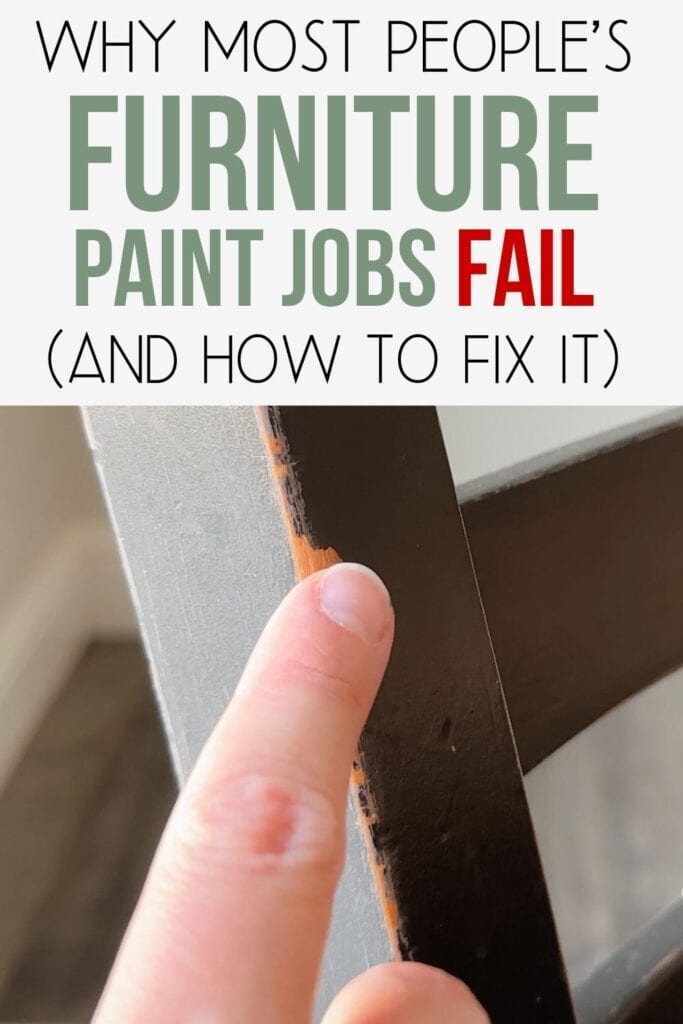
Most people fail at painting furniture because they don’t know what’s actually causing the problem. But it’s not your fault. And I’m going to show you exactly what’s going wrong. If your painted furniture has chips, scratches, or peels, it’s not because you’re bad at painting. It’s because nobody has taught you the right process.

The good news, though, once you understand what’s causing the problem, you can fix it and finally get a finish that lasts. Here’s the truth: It’s not about how crafty you are. It’s about knowing the right process for the paint that you are using.
If you skip proper cleaning or ignore the type of surface, your paint can peel, scratch, or just not stick when you’re using the wrong paint. I’ve seen this over and over again. And then boom, chipping city, scratches all over, or other issues come up because we didn’t take the steps necessary to prevent them.
You don’t need to be an expert painter. You just need a system that makes the right steps simple and doable. I know I have made plenty of mistakes, and thankfully, I have learned from most of them.
Prepping Furniture for Painting
About 10 years ago, I got some kitchen chairs for really cheap. I painted them with our homemade chalk paint recipe, but guess what? I didn’t follow through on the steps that I knew I needed to take. I just wanted a quick and easy makeover.
And instead of finding a paint that would help me get that, I just skipped the proper prep steps. Yes, I probably cleaned them. I didn’t sand. I did not prime for sure. I just painted. And guess what? Now I wish I had taken a few extra minutes to do the proper steps. So, now, 10 years later, my furniture wouldn’t look terrible.
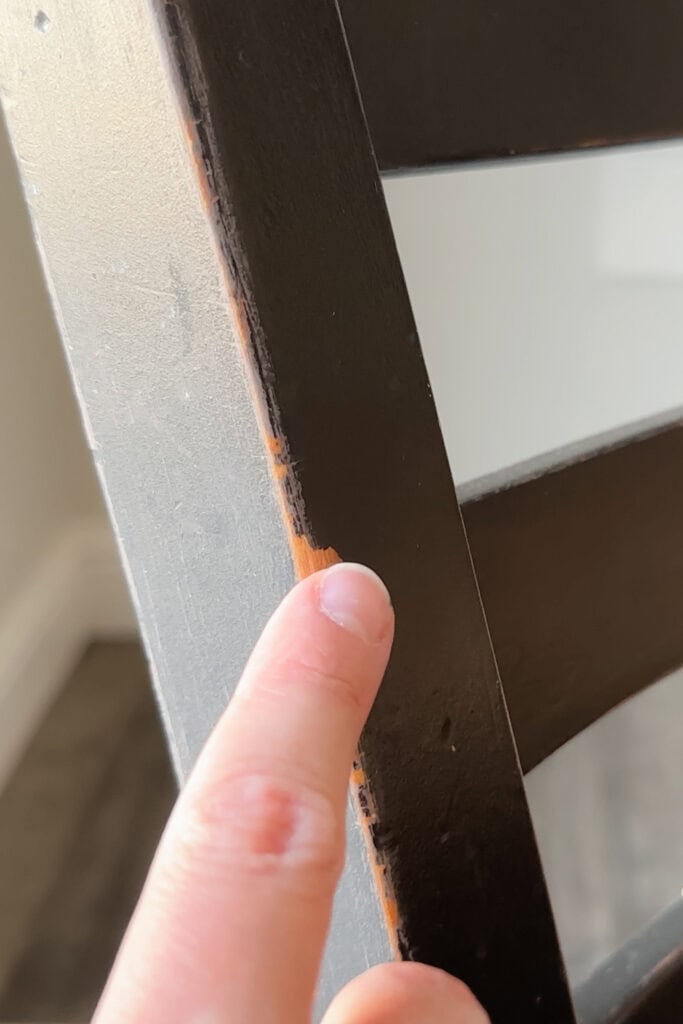
Now I’m looking at stripping down the paint and repainting because it looks terrible. The paint scratches if I rub my fingernail across it. It’s constantly chipping. I can’t clean it down because then the paint starts rubbing off. All because I didn’t use the proper process.
So, the moral of the story: prep matters big time.
As an Amazon Associate, I earn from qualifying purchases. I also may earn from other qualifying purchases with other companies or get free product to review and use. All opinions are my own.
Clean Furniture Before Painting
So, tip number one, clean with more than just water. You need something that’s going to cut through grease and grime. I personally use Krud Kutter because it does exactly that. It’s a pretty powerful cleaner, so I don’t have to use a bunch of elbow grease to get rid of that grime.
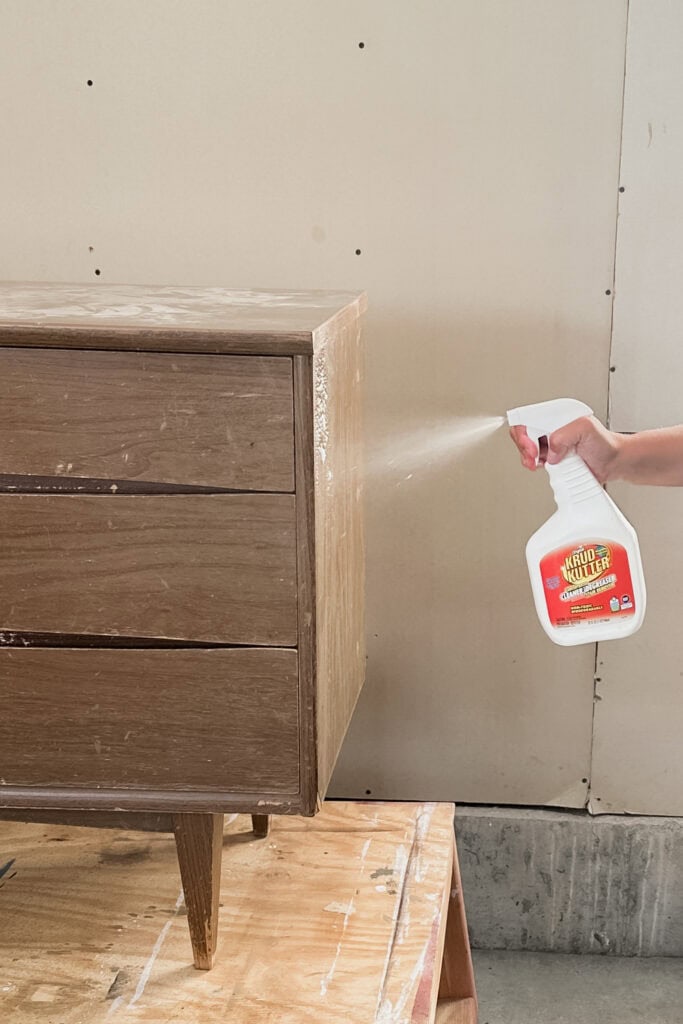
Not only does cleaning help the paint stick, but it also makes it look so much better. If there are stickers, tape, or dirt, you will see the texture underneath your paint finish. It will look much better if you clean off all that stuff before you start painting.
Plus, your paint will stick so much better. Oils and grease repel the paint, so your paint will easily chip or scratch off if you paint right over grease and grime. Learn all about how to clean furniture before painting in our guide!



Choose the Right Paint and Primer
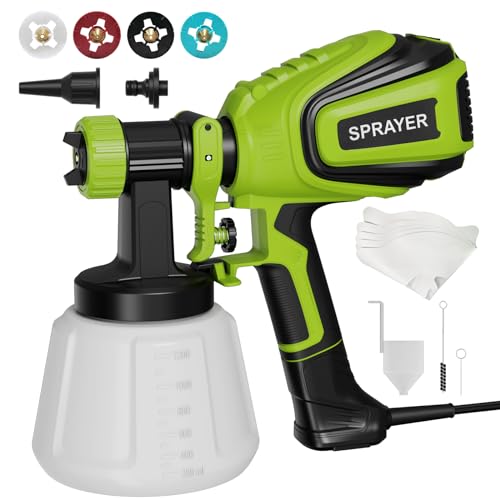
Tip number two, not all paints stick. Yes, paint manufacturers, guess what? They don’t tell you the whole truth. Yes, in some cases, their paint can stick to a surface with no prep at all, but that is just not the case with all furniture. Some furniture is super slick. Others, you could slap on paint, and it will stick because there is no finish on it whatsoever.
Would you like to save this?
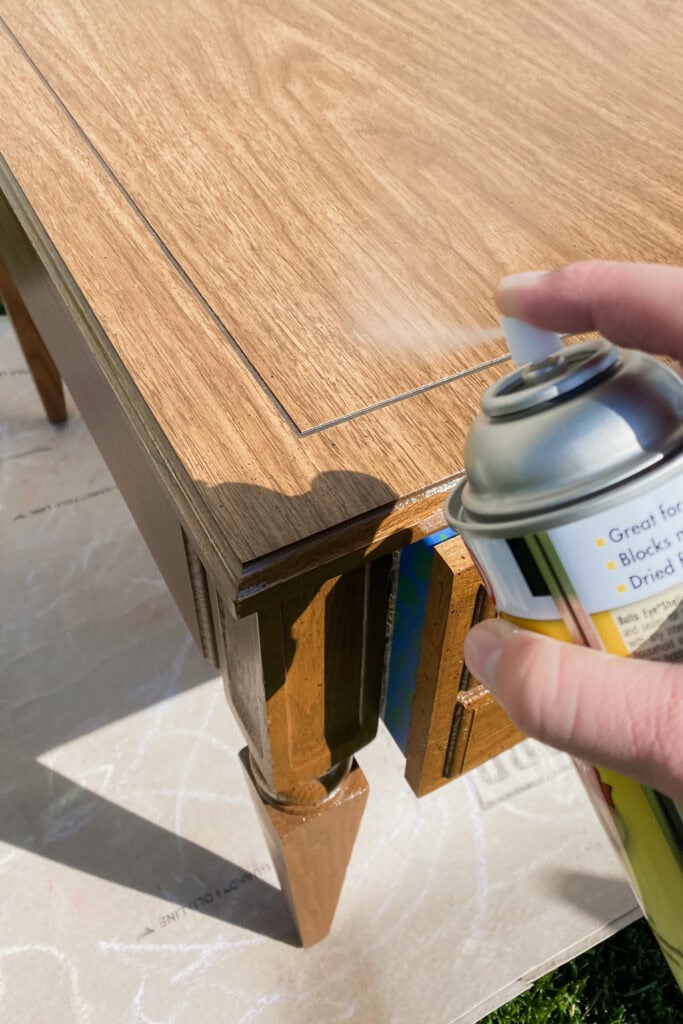
You either need to use a primer that will help your paint stick, or you need to use tried and tested paint that is very good at sticking. Primers don’t only help with adhesion. They also help prevent a lot of other issues that come up if you just use paint. For example, they can make the coverage better.
If you have raw wood and finished wood on the same surface, and you just slap paint right over all of them, guess what? You will be able to tell between the two. The right primer eliminates that issue. It will make it look like the same surface.
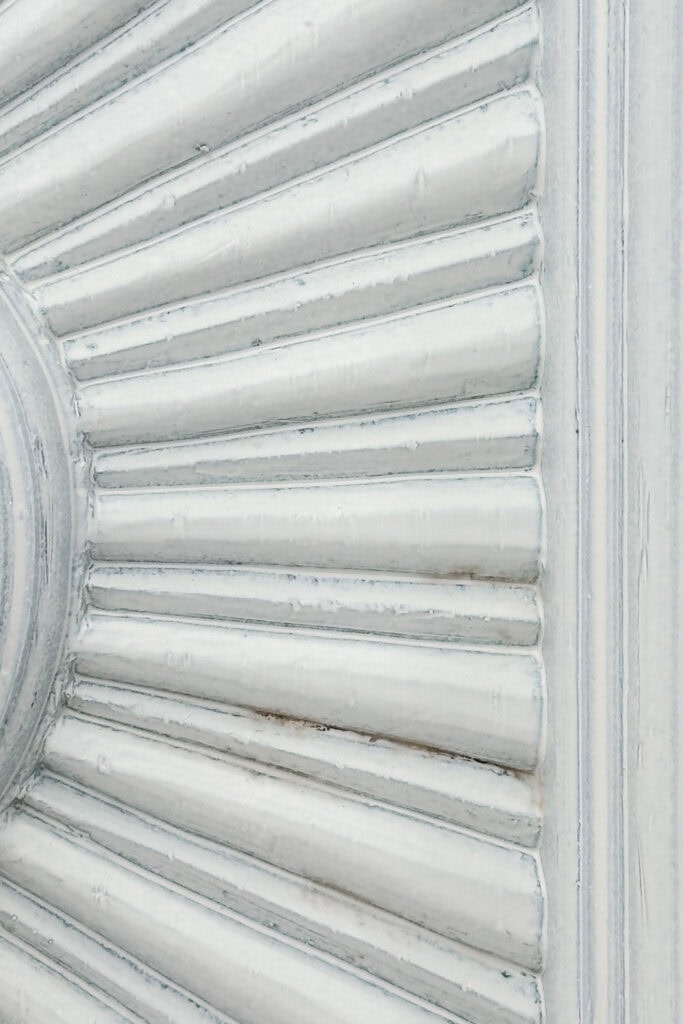
Primers also prevent things like bleedthrough stains that come up through the paint. And honestly, you will not get those to go away unless you treat them properly with the right primers. Here’s more on how to stop stains from coming through paint.
You can check out your options for the best primer for wood furniture in our post on what to use to seal wood before painting. Learn more about priming wood for painting here.
So, yeah, you can skip primers if you use the right paint, but also trust me on this one. Do not fully believe what the paint companies say. These paints have to be tested and tried in actual normal circumstances for you to be able to see if they actually work like the companies say that they should, or if you need to do other steps to help with adhesion or to prevent these other issues.
Topcoat for Painted Furniture
Tip number three: topcoats are not always a good idea. Some paints do need it, while others should not be topcoated because you will ruin the paint finish if you do. Paint types like enamels, alkyd waterborne paints (not water based) should not be topcoated.
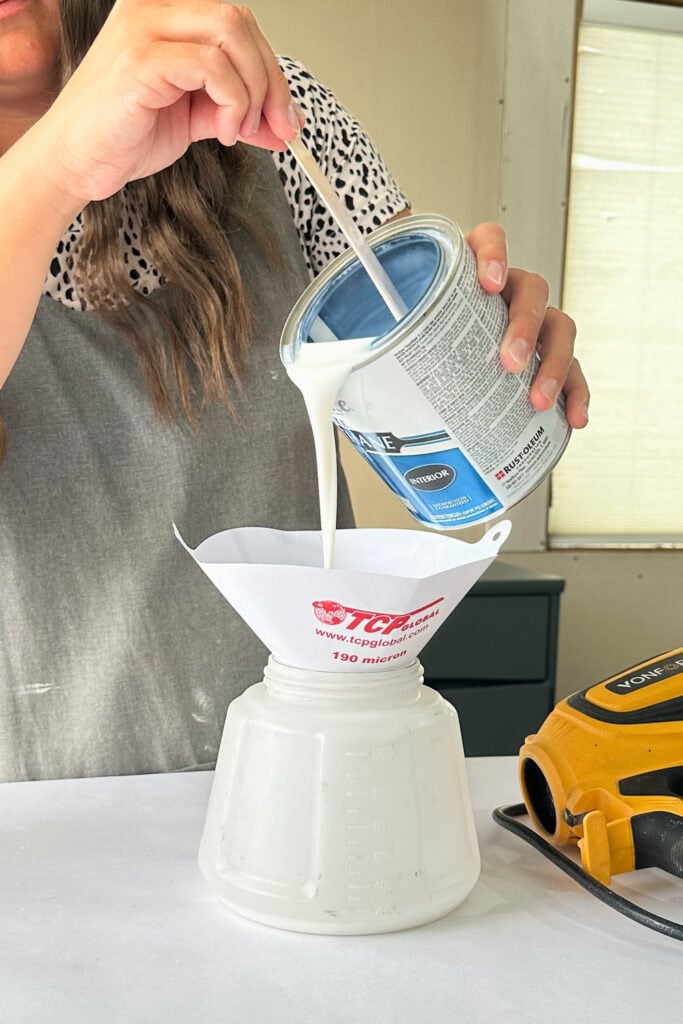
And if you feel the desire to topcoat, test it out on a scrap piece of wood before applying it to your painted furniture. I have seen and heard countless examples of people topcoating paints that should not be topcoated, ending up with a bubbled or crackled finish.
So, please be aware of the paint you are using and if it actually does need a topcoat or not. Here are the best all in one paints for furniture that don’t need one, and here are the best topcoats for painting furniture if you need to use them.
You can also watch this guide in our YouTube video below:
Now that you know how skipping prep and using the wrong products can ruin a furniture makeover, you’re well on your way to avoiding those headaches! These little steps may seem minor, but trust me, they make all the difference.
More Painting Furniture Resources
- How To Spray Paint Furniture For Beginners
- The Easiest Way to Paint Furniture (It Took Me One Day)
- No Sanding Furniture Paint Hack
- How to Spray Polyurethane for Beginners
Learn the Art of Updating Furniture!
If painting furniture feels overwhelming or your past attempts didn’t go as planned, this course will guide you step by step.

Follow us on YouTube to get more tips for painting furniture. Or share your project with us on our Facebook Group and be part of our community. See you there!